

How long it takes to build

0 years

Golden Gate Bridge
Construction started on January 5, 1933, and the Golden Gate Bridge officially opened to traffic on May 28, 1937—completed in just over four years.

0+ years

The TransWest Express transmission line
The massive delay in approving the TransWest Express project was the result of an overly complex and too easily derailed federal permitting process for major infrastructure projects.

0+ years

SunZia Transmission Line
This project required cooperation from 10 federal agencies, 5 state agencies, and 9 local authorities - resulting in a lengthy, duplicative permitting process that spanned close to two decades.

It's Time for Bipartisan Energy Permitting Reform

The need for bipartisan infrastructure permitting reform has never been more urgent. America's energy infrastructure is being held back by outdated and inefficient permitting processes that create unnecessary delays, increase costs, and stifle innovation. These roadblocks not only hinder our ability to meet growing energy demands but also weaken our position as a global energy leader. By working together across party lines, we can streamline the permitting process, cut through the red tape, and pave the way for a stronger, more energy-secure future. Now is the time for lawmakers to come together, put politics aside, and get this crucial reform done for the benefit of all Americans.

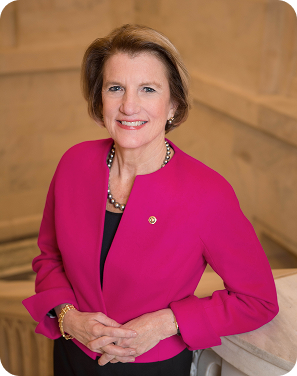
sen. Shelley Moore Capito (R-WV)

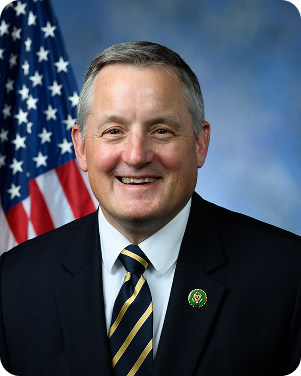
Rep. Bruce Westerman (R-AR-4)

Energy projects should not take decades for approval

The current energy project permitting process is a significant bottleneck in America's energy development. On average, it can take anywhere from five to ten years just to complete the necessary environmental reviews before a project can even break ground. In some cases, particularly with complex infrastructure projects, this process can extend well beyond a decade.

Judicial Review

The judicial review process for energy projects has become a significant obstacle to timely project completion. Currently, after navigating through an already lengthy permitting process, many projects face additional delays due to litigation that can drag on for years. This not only stalls critical energy developments but also drives up costs, making projects financially unviable.

The latest in permitting

New Jersey governor targets permitting reform in bid to cut costs

Gov. Mikie Sherrill's executive order would create “shot clocks” for state agencies to complete permits within set time frames.   READ THE FULL ARTICLE

The Trump Administration Is Moving To Fix a Broken Permitting System | Opinion

The United States is in a global race to build critical infrastructure, secure affordable and reliable energy, and advance our nation’s technology dominance.    READ...

Trump expands critical minerals list to copper, met coal, uranium

The Trump administration on Thursday added 10 minerals to a list it deems essential for the U.S. economy and national security, including copper, vital to...

member highlights

Celeste Maloy (R-UT-2)

"Permit applications are often inconsistent and lack clear timelines. The FREE Act offers some long overdue relief, streamlining permits to make them more manageable and predictable.”

Rep. Scott Peters (D-CA-50)

“ ‘Permitting reform’ refers to the work we must do to help accelerate clean energy projects. This includes executing more efficient environmental analyses, siting new projects in a shorter time frame, and ensuring these endeavors don’t get caught up in lawsuits for years.”

SEN. Cynthia Lummis (R-WY)

“The federal permitting process has become years-long, which discourages investment and innovation all together. Implementing permit by rule processes will streamline approvals and help us address backlogs.”

Sen. Sheldon Whitehouse (D-RI)

“The North American Electric Reliability Corporation, or NERC, projects that peak demand will grow by 15% for summer peaks and 18% for winter peaks over the next ten years, raising concerns about energy shortfalls…What would reduce the risk of a shortfall?  Better permitting.”

sen. Shelley Moore Capito (R-WV)

“We need judicial reform so we’re not in this cycle of going to court every six weeks; there has to be a time limit on it.”

Sen. Mark Kelly (D-AZ)

“We need to streamline permitting, while protecting our clean air and clean water.”

Sen. John Barrasso (R-WY)

“Our bill is going to boost American energy and mineral production. It will help lower costs for American families.”

Sen. Martin Heinrich (D-NM)

“If we truly want economical clean energy at a local level, we need to streamline the permitting process for distributed energy technologies. I will continue doing all that I can to promote a clean energy future for New Mexico.”

Rep. Bruce Westerman (R-AR-4)

“There's a lot of bipartisan desire to see permitting reform happen.”

Join the effort

Become a part of the movement to empower energy companies with the freedom to build essential infrastructure without unnecessary government interference. Together, we can drive economic growth, create jobs, and ensure a sustainable energy future for America.